Estiba / Stowage
La bodega «ese espacio residual» funciona como el sedimento involuntario de la vida doméstica. Es el borde de la casa; un lugar donde el tiempo se estanca y los objetos entran en un estado de pausa física permanente.
En este recinto, las cosas pierden su función práctica para adquirir una carga biográfica. Son restos que retienen la huella de una historia que nohemos querido desechar, pero que tampoco somos capaces de mantenera la vista.
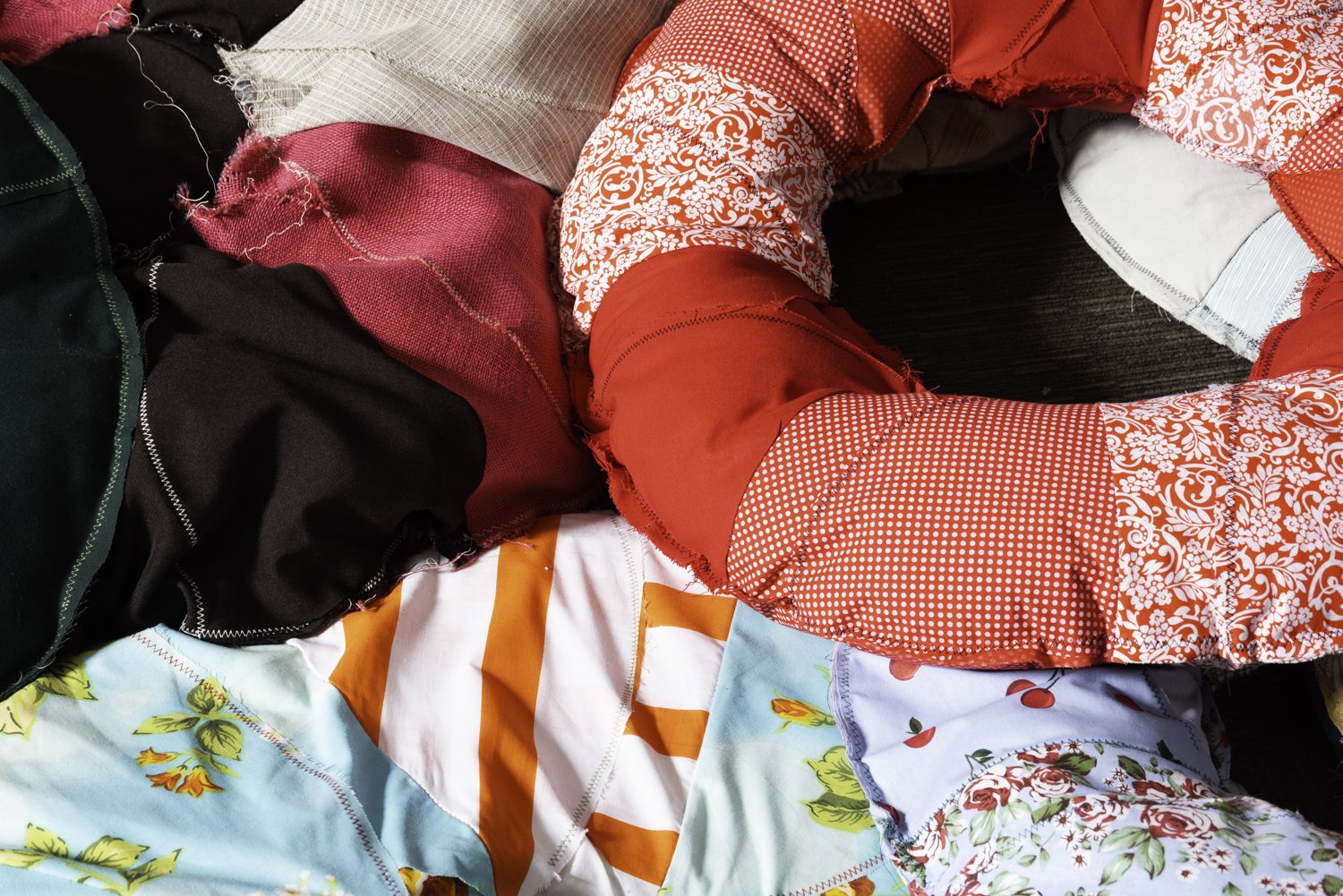
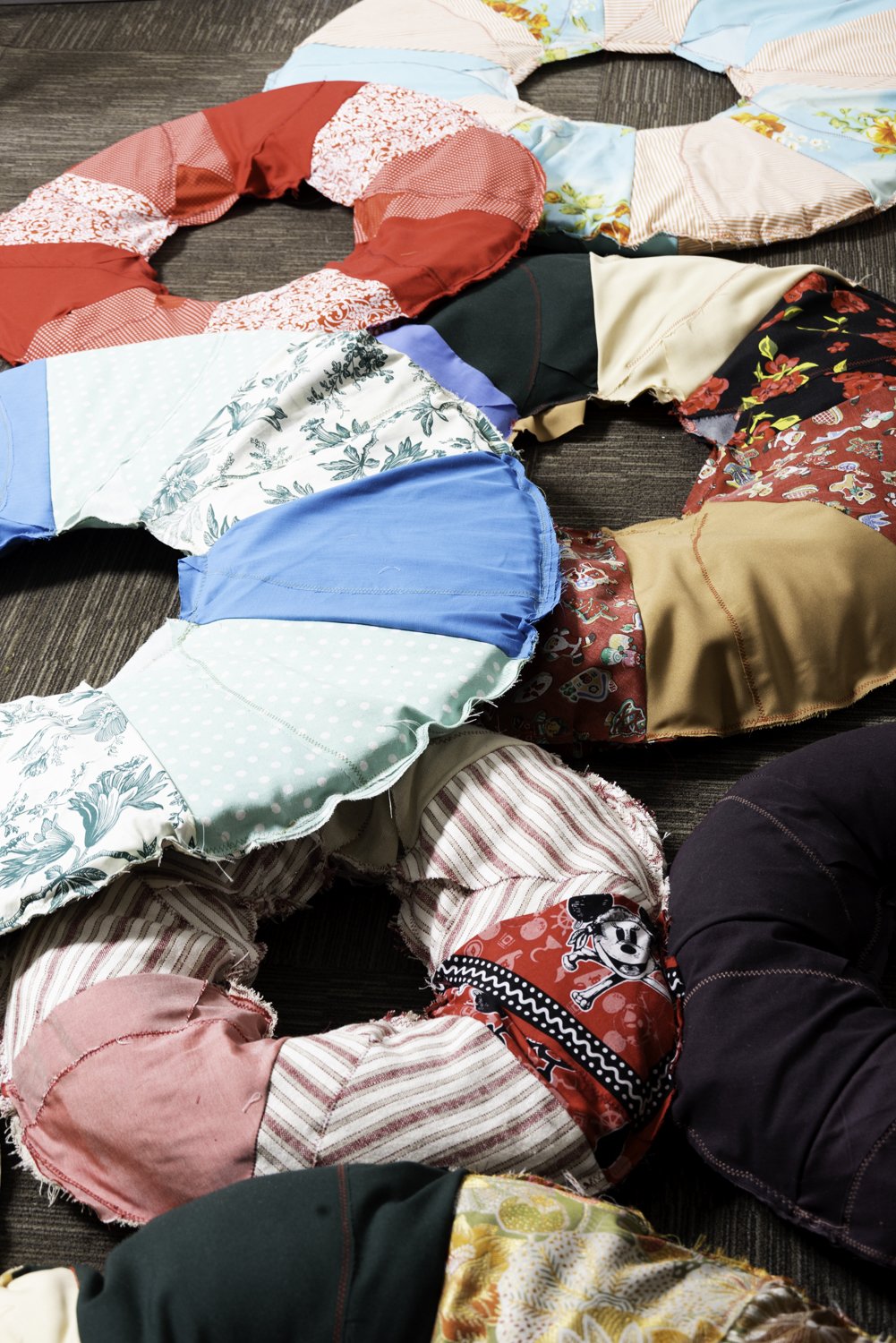
A través de las obras de Andrés Rakos, Ignacio Henríquez, Paula García y Raimundo Edwards, la muestra examina la persistencia de lo que falta. Entiende la bodega como el terreno donde la identidad se descompone entre lo que se conserva y lo que se desplaza hacia el margen. Video, textil, dibujo, gráfica y objetualidad redefinen este inventario desde suspropias lógicas.
Los elementos que habitan la sombra actúan como puntos de interrupción en el relato familiar. Son evidencias materiales de decisiones postergadas y del valor que les atribuimos una vez que pierden su utilidad.
Cada estrato de suciedad y cada contenedor sellado opera como una prueba de permanencia. La bodega es el lugar donde el residuo de lo que fuimos ocupa el mismo presente que nuestro cuerpo actual. Es el enfrentamiento con objetos que, en su inmovilidad, exponen nuestra dificultad para el desprendimiento.
El aspecto más crudo de este inventario son los objetos vinculados a proyectos abandonados o versiones de nosotros mismos que quedarontruncas. Ocultos en los bordes de la habitación, estos artefactos permanecen como marcas de una pérdida no resuelta y de trayectoriasque se cerraron antes de empezar.
Sostener el orden de una bodega es un ejercicio de resistencia contra el olvido. La acumulación no es descuido, sino una forma de evitar que la memoria se borre. Esta exposición propone una disección de la privacidad a través de sus restos: imágenes y materiales que persisten como señales de un contexto remoto aislado en su propio sedimento.
Raimundo Edwards A.
The storage room — "that residual space" — functions as the involuntary sediment of domestic life. It is the edge of the home; a place where time stagnates and objects enter a state of permanent physical pause.
Within this enclosure, things lose their practical function and acquire a biographical weight. They are remnants that retain the trace of a history we have not wished to discard, yet are unable to keep in plain sight.
Through the works of Andrés Rakos, Ignacio Henríquez, Paula García, and Raimundo Edwards, the exhibition examines the persistence of what is missing. It understands the storage room as the terrain where identity breaks down between what is preserved and what is pushed to the margins. Video, textile, drawing, printmaking, and object-based work redefine this inventory through their own logics.
The elements that inhabit the shadow act as points of interruption in the domestic narrative. They are material evidence of postponed decisions and of the value we assign to things once they have lost their usefulness.
Each layer of dust and each sealed container operates as proof of permanence. The storage room is the place where the residue of who we were occupies the same present as our current body. It is a confrontation with objects that, in their stillness, expose our difficulty in letting go.
The rawest aspect of this inventory is the objects tied to abandoned projects or versions of ourselves that were left unfinished. Hidden at the edges of the room, these artifacts remain as marks of unresolved loss and of trajectories that closed before they could begin.
Maintaining order in a storage room is an exercise in resistance against forgetting. Accumulation is not neglect, but a way of preventing memory from being erased. This exhibition proposes a dissection of privacy through its remains: images and materials that persist as signals of a remote context, isolated in its own sediment.
Raimundo Edwards A.
FICHA TÉCNICA
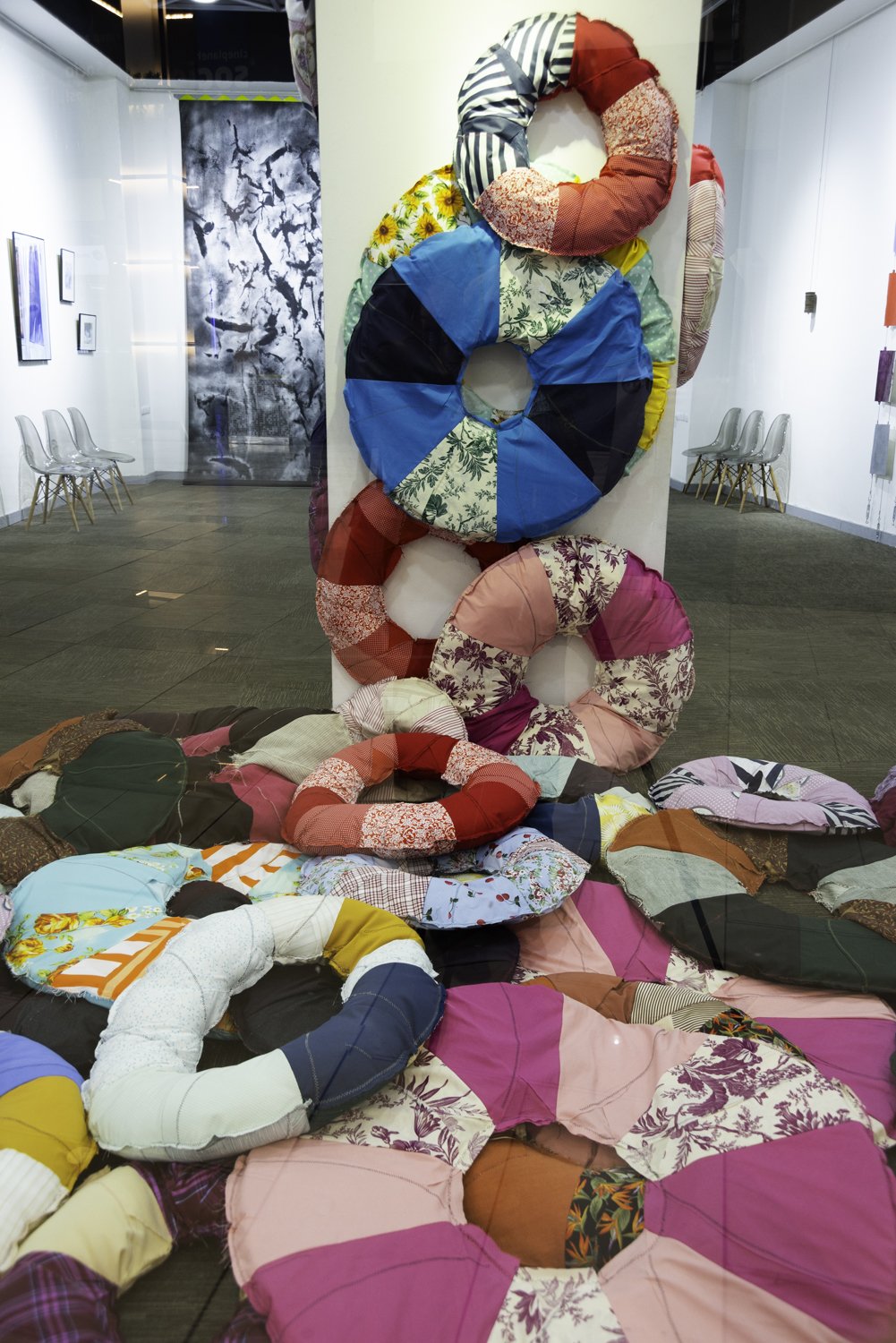
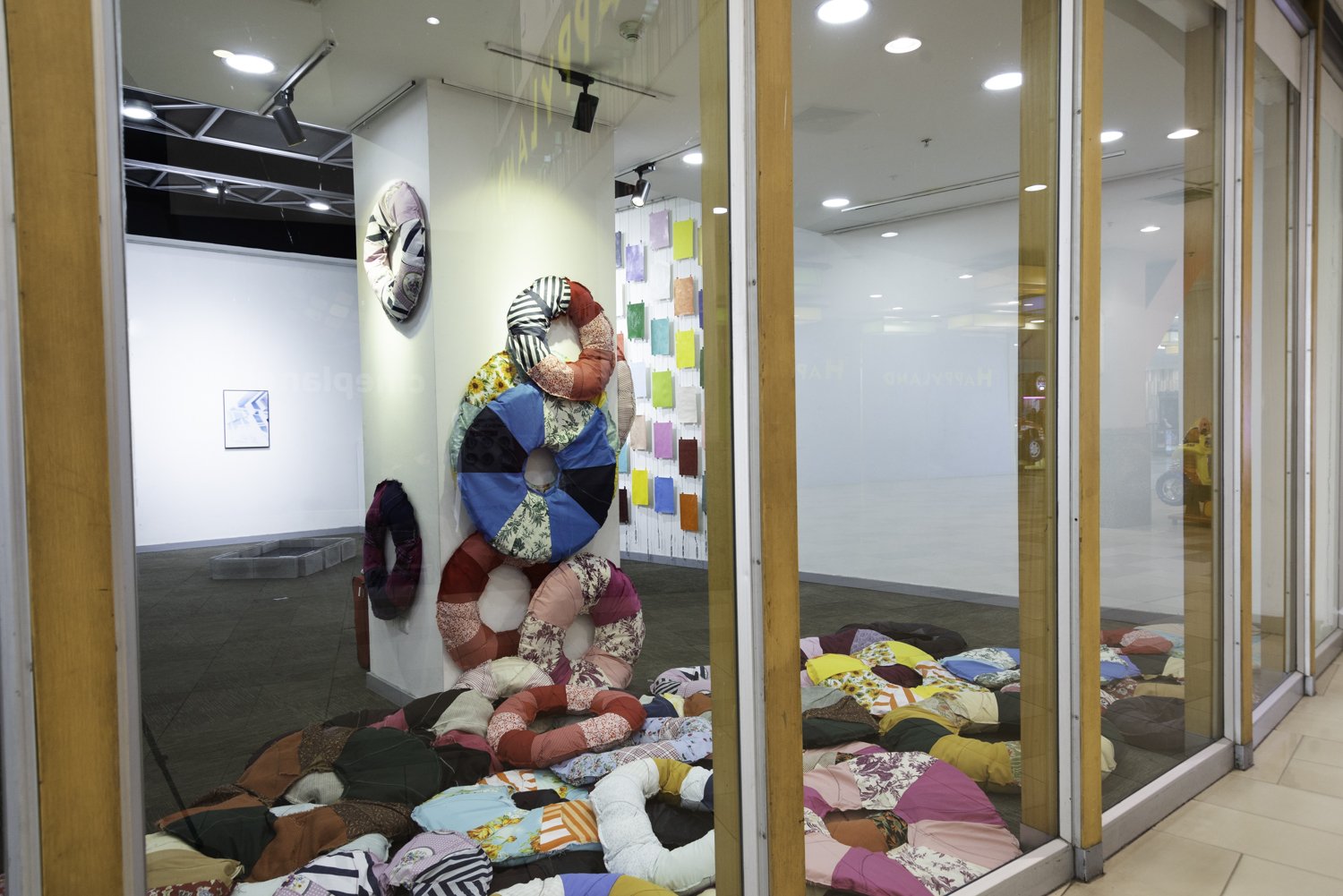
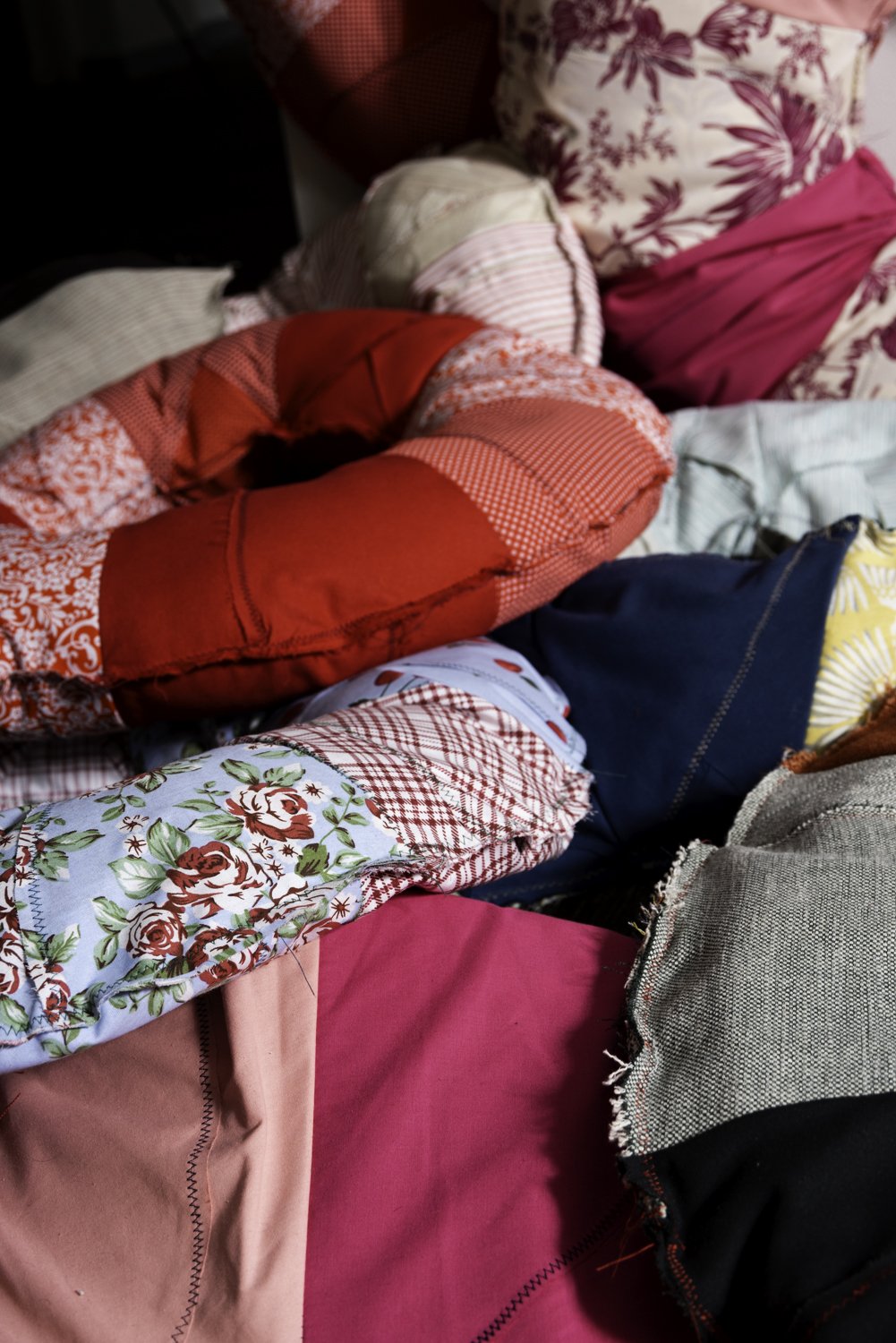
Instalación textil, medidas variables, 2026.
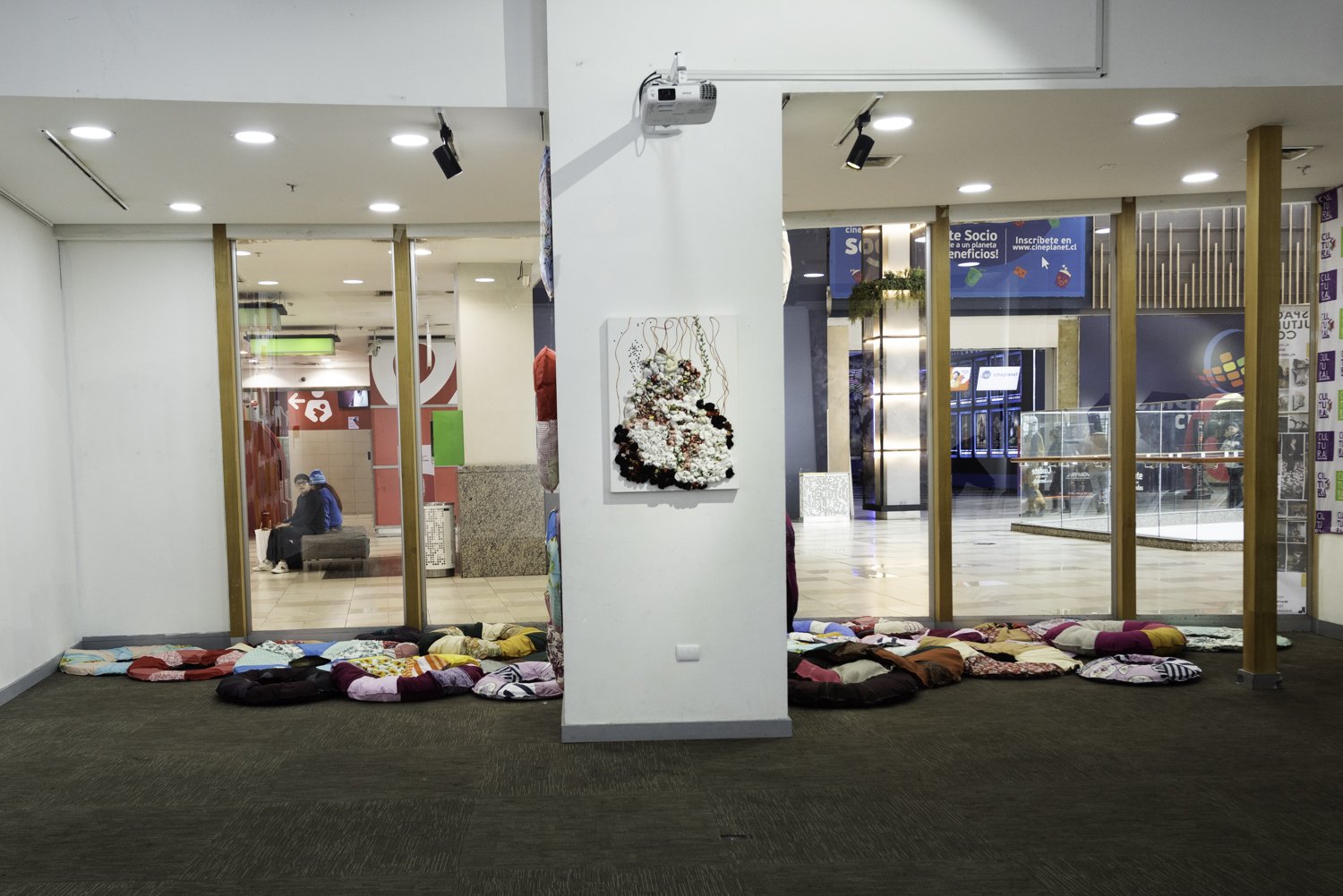
Expuesto en la galería de la CCEC, Santiago de Chile, 2026.
Textile installation, variable dimensions, 2026.
Exhibited at the CCEC gallery, Santiago, Chile, 2026.